
Table of Contents
- Why Buyer Needs Have Shifted Beyond the Basics
- The Specific Features Driving Buyer Decisions Right Now
- How Builders Are Responding to These Buyer Needs
- Buyer Needs Vary by Submarket: What I See Across North Atlanta
- What Sellers Should Take Away From Shifting Buyer Needs
- Putting It Together: What Modern Buyer Needs Tell Us About the Market
Location has always been the first filter buyers apply. School district, commute time, proximity to 400, distance from the lake. Those factors still matter in North Atlanta, and they always will. But in the current market, I’m watching buyers apply a second, more detailed filter before they make an offer, and that filter is about what’s inside the house and how well it fits their actual life.
As of September 2026, inventory across North Atlanta is up roughly 10 percent year-over-year, and about 15 percent of active listings have seen price reductions. The average home is sitting on the market for 45 days. That’s not a distressed market; it’s a rational one. Buyers have time to be selective, and they’re using it. Understanding what drives those decisions is useful whether you’re buying, selling, or trying to price a listing accurately.
With 30-year fixed rates holding near 7.18% as of early October 2026, buyers are spending more per month than they were two years ago. That cost pressure is pushing them to demand more from each dollar, not just a good zip code.
Why Buyer Needs Have Shifted Beyond the Basics
The pandemic reshaped how people use their homes. That’s not a new observation, but the effects are still playing out in what buyers actually request when they tour properties in Cumming, Alpharetta, Johns Creek, and the surrounding communities. A home that worked for a family in 2019 doesn’t necessarily work for the same family in 2026.
Remote and hybrid work arrangements have stabilized into a permanent feature of professional life for a large portion of buyers I work with. That has direct consequences for what they need from a floor plan. A bonus room above the garage or a fourth bedroom being used as a home office is no longer a nice bonus; it’s a baseline requirement for a meaningful segment of the market.
According to Atlanta Agent Magazine’s 2026 market predictions, evolving buyer and seller expectations are reshaping how agents and sellers need to position properties. Functional square footage now carries more weight than raw square footage. A 3,200-square-foot home with a dedicated office, good natural light in the main living areas, and a usable backyard will often outperform a 3,800-square-foot home that lacks those features, even at a lower price per square foot.
The Specific Features Driving Buyer Decisions Right Now
When I sit down with buyers before we start touring homes, I ask a structured set of questions about how they actually live. The answers have shifted noticeably over the past two years. Here are the features that come up consistently in those conversations.
Dedicated Work and Study Space
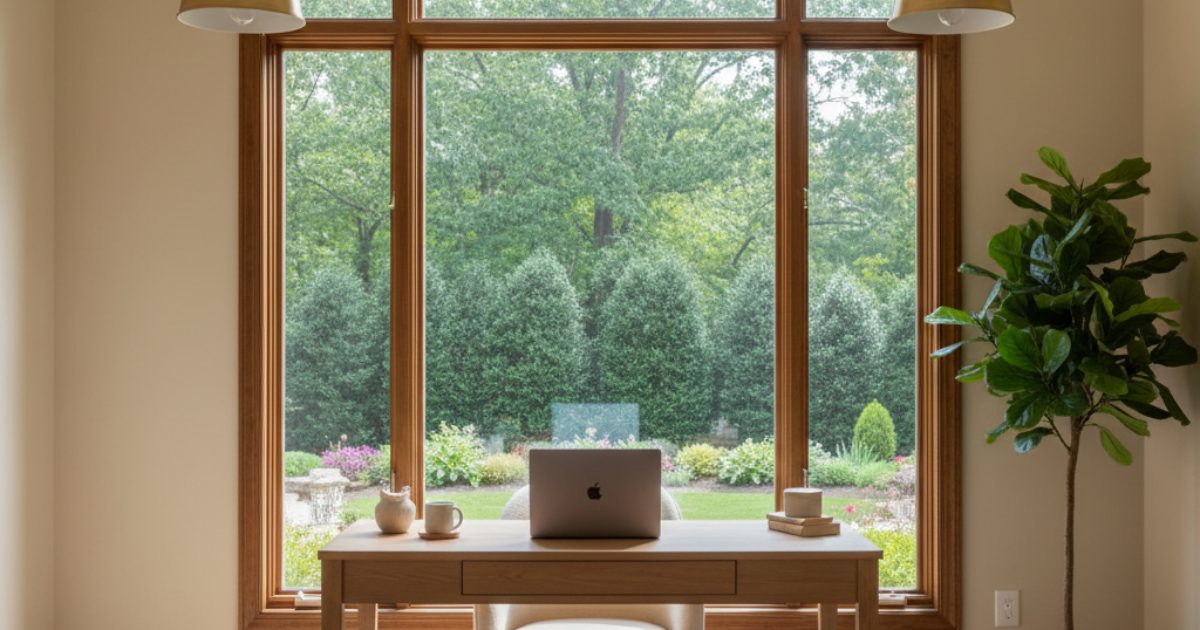
Buyers with remote or hybrid schedules are not interested in converting a dining room into an office. They want a room with a door, ideally on a separate level or wing from the main living area, with enough space for a proper desk setup and video call backgrounds that don’t require a ring light. In communities like Alpharetta, where the tech sector is heavily represented, this is one of the first questions buyers ask about a floor plan.
Secondary study spaces for children are also rising in priority. Families with school-age kids are looking for a secondary flex room or a loft that can function as a homework zone separate from the main home office. Forsyth County and the surrounding districts are competitive academically, and families take that seriously in their home search.
Energy Efficiency and Utility Costs
With rates above seven percent, buyers are scrutinizing monthly carrying costs more carefully than they were during the low-rate years. Energy efficiency has moved from a talking point to a line item in their decision-making. Specific features buyers are asking about include:
- Spray foam insulation in the attic and exterior walls
- High-efficiency HVAC systems with recent service records
- Double or triple-pane windows, particularly on south and west-facing elevations
- Solar panel installations with transferable agreements or paid-off systems
- Smart thermostats and programmable zoning systems
Sellers who have invested in these upgrades should document them clearly. Buyers are asking for utility bills during due diligence, and a home that averages $140 per month in summer electricity costs is a meaningful differentiator against a comparable home averaging $220.
Smart Home Integration
Integrated smart home systems are increasingly a buyer expectation in the mid-to-upper price ranges across North Atlanta. This doesn’t mean every buyer wants a fully automated home. Most want a few specific things done well: reliable whole-home Wi-Fi infrastructure, a video doorbell, smart locks, and ideally a security system that integrates with their phone. Buyers who find these already installed and functional tend to view them as value-adds rather than negotiating points.
Outdoor Living Space with Real Functionality
Screened porches, covered decks, and outdoor kitchens have moved from luxury features to standard expectations in the $600,000-and-above range. Buyers are not just looking for a patio slab. They want a space that extends the usable square footage of the home for eight or nine months of the Georgia year. A well-built screened porch with ceiling fans, outdoor lighting, and a gas line for a grill can be a deciding factor in a close comparison between two otherwise similar homes.
How Builders Are Responding to These Buyer Needs
It’s worth noting that production builders have already read this market. Atlanta homebuilders are actively changing their strategies in response to buyer preferences, offering incentives like mortgage rate buydowns and closing cost assistance to move inventory. But they’re also adjusting floor plans.
New construction communities in Forsyth County and Gwinnett County are increasingly offering flex rooms as standard rather than optional, and energy-efficient packages are being bundled into base pricing rather than listed as upgrades. If you’re comparing a resale home against new construction, factor in what the builder is including at the base price. The gap between new and resale is sometimes smaller than buyers expect once you account for what’s included.
That said, new construction comes with its own trade-offs: longer timelines, HOA restrictions during the build phase, and the reality that a builder’s incentives are designed to protect their margin, not yours. Having an independent agent review the purchase agreement before you sign is worth the time.
Buyer Needs Vary by Submarket: What I See Across North Atlanta
Not every buyer in North Atlanta is looking for the same thing, and the specific submarket shapes what’s realistic at a given price point. Here’s how I see buyer priorities breaking down across the communities I work in most frequently.
Cumming and Forsyth County
Buyers searching homes for sale in Cumming, GA tend to prioritize lot size, school district access, and value per square foot. The Forsyth County school system is a major draw, and buyers are often willing to accept a slightly longer commute to 400 in exchange for more land and newer construction. Energy efficiency and flex space are consistent requests here as well.
Johns Creek
The buyer profile in Johns Creek skews toward established professionals and families who want a finished, move-in-ready home with high-quality finishes. Buyers looking at homes for sale in Johns Creek, GA are often comparing against similar homes in Alpharetta and are sensitive to condition and presentation. A home that needs cosmetic work is priced accordingly in this market; buyers here are not typically looking for a project.
Alpharetta
Alpharetta buyers are often tech-sector professionals with specific expectations around connectivity, smart home features, and proximity to the Avalon and Halcyon corridors. The Alpharetta home market is competitive at the upper price points, and buyer needs here frequently include dedicated office space, high-end kitchen finishes, and primary suites with spa-level bathrooms. Walkability to retail and dining is also a factor that comes up more often than it did five years ago.
What Sellers Should Take Away From Shifting Buyer Needs
If you’re selling in this market, the data is clear. According to North Atlanta Star’s September 2026 analysis, buyers have regained meaningful negotiating leverage. That means a home that doesn’t address current buyer needs will sit longer and likely sell below initial asking price.
The practical steps sellers should consider before listing include:
- Assess whether any room can be staged or converted to demonstrate office functionality
- Pull utility bills for the past 12 months and have them available for buyers during due diligence
- Document any energy efficiency upgrades with receipts and warranty information
- Ensure smart home devices are functional, updated, and include login credentials for transfer
- Evaluate outdoor living spaces for quick improvements: power washing, furniture staging, lighting
None of these steps require a major renovation. They require attention to what buyers are actually evaluating when they walk through a home in 2026.
Putting It Together: What Modern Buyer Needs Tell Us About the Market
Atlanta’s median home sale price sits at $400,000 as of September 2026, with year-over-year price growth at 2.5 percent. That’s a stable market, not a collapsing one. Buyers are not panicking; they’re being deliberate. And deliberate buyers have a clear picture of what they want before they start touring.
The shift I’ve observed over the past 18 months is that buyer needs have become more specific, not more demanding in an unreasonable sense. Buyers want homes that fit their actual routines: a real office, lower utility costs, outdoor space they’ll use, and technology that works. Those are reasonable expectations, and the sellers and builders who understand that are the ones closing deals without extended days on market.
If you’re preparing to buy or sell in Cumming, Alpharetta, Johns Creek, or any of the surrounding North Atlanta communities, I’m happy to walk through what the current market data means for your specific situation. Reach out directly through my contact page at sellwithsapp.com/contact, and we can start with an honest conversation about what your goals require and what the market will support.
Frequently Asked Questions
Why have buyer needs for North Atlanta homes shifted beyond just location?
Buyer needs have shifted beyond location due to the lasting impact of remote work and increased cost pressures from higher interest rates. Homes are now evaluated not just by their address, but by their internal functionality and how well they support modern lifestyles, with features like dedicated office space and energy efficiency becoming critical.
What specific features are North Atlanta buyers prioritizing in homes today?
Buyers are prioritizing dedicated work and study spaces with doors, energy-efficient features to lower utility costs, integrated smart home technology for convenience, and functional outdoor living areas like screened porches. These features are seen as essential for supporting current lifestyles and managing monthly expenses.
How do energy efficiency upgrades impact a home’s marketability in North Atlanta?
Energy efficiency upgrades significantly impact marketability by directly addressing buyer concerns about rising utility costs, especially with current interest rates. Homes with documented improvements like spray foam insulation, high-efficiency HVAC, and modern windows can command a better price and sell faster than comparable homes with higher energy bills.
What are the key differences in buyer needs across North Atlanta submarkets like Cumming, Johns Creek, and Alpharetta?
In Cumming and Forsyth County, buyers often prioritize lot size and school districts, accepting longer commutes for more land and newer construction. Johns Creek buyers seek move-in-ready homes with high-quality finishes, being less inclined towards fixer-uppers. Alpharetta buyers, often in the tech sector, prioritize connectivity, smart home features, and walkability to amenities.
What should sellers do to adapt their North Atlanta homes to current buyer demands?
Sellers should focus on demonstrating functional office space, providing 12 months of utility bills, and documenting any energy efficiency upgrades. Ensuring smart home devices are functional and staging outdoor living areas for appeal are also crucial steps. These adjustments help homes align with what modern buyers are actively seeking and evaluating.